There is no item in your cart

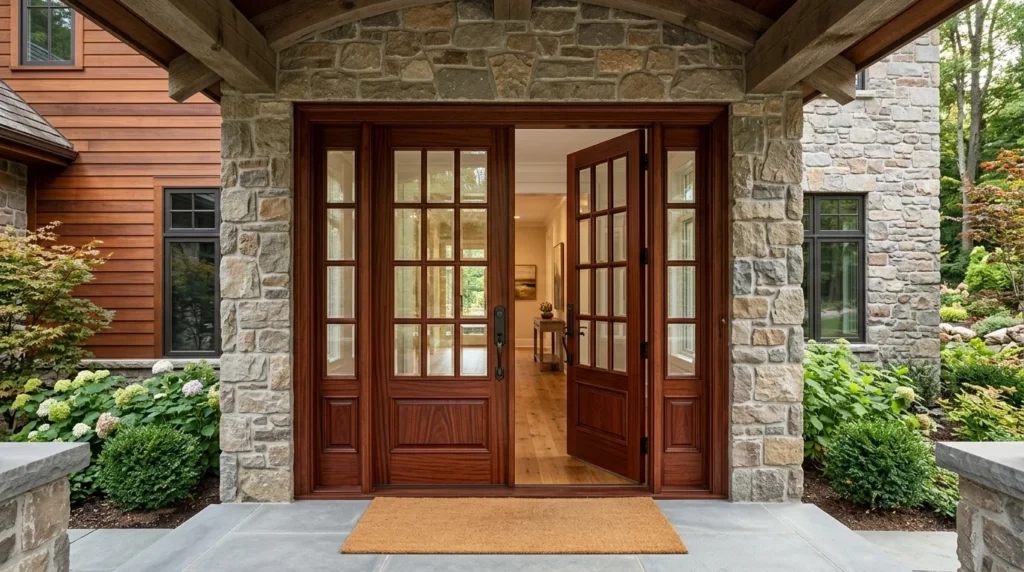
Investing in luxury custom front doors creates an immediate, lasting impression of architectural quality and refined design. A high-end entry statement should feel considered from the street, the threshold, and the interior. That feeling is achieved through harmonious proportion, rich timber character, precision glasswork or custom carving, flawless hardware alignment, and durable finish quality. Rather than overloading an entry with complex elements, luxury is defined by disciplined scale and clear specifications where every component serves a distinct purpose.
Architectural Scale and Proportion for Custom Front Doors
Before selecting decorative motifs, let the surrounding architecture dictate the scale of your entry structure. Study the height and width of the overall facade, nearby window casings, porch overhangs, masonry joints, and interior ceiling lines. A spacious grand entryway can comfortably accommodate wide double doors, matching side panels, or a grand transom window. Conversely, a narrower opening achieves far greater visual impact with a single, perfectly proportioned door leaf. For historical context on structural entryways, you can read more about door architectural history on Wikipedia.
When planning custom front doors, designers analyze sightlines from both inside and outside the home. The door height should align naturally with ground-floor architectural features to maintain structural harmony. Proper framing depth, stile dimensions, and rail proportions ensure that even massive solid wood doors remain easy to operate while maintaining excellent structural integrity over decades of daily use.
Selecting Materials and Finishes for Custom Front Doors
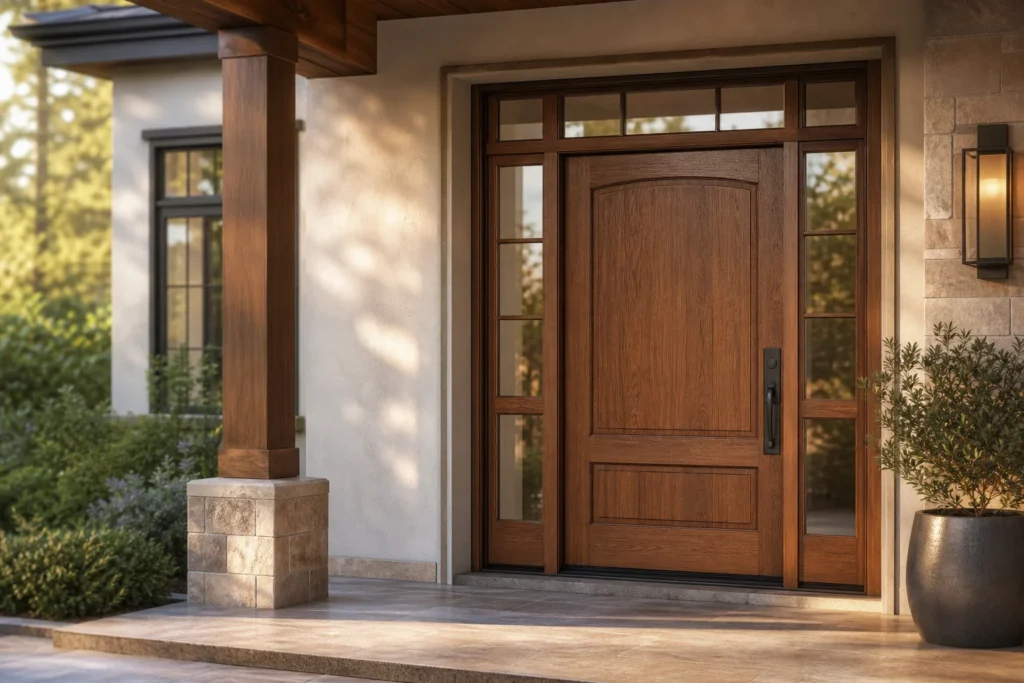
Material selection forms the foundation of long-term performance and aesthetic depth. Premium solid hardwoods such as quartersawn white oak, black walnut, mahogany, and teaks are prized for their tight grain patterns, natural weather resistance, and structural stability. When designing custom front doors, deciding which element takes visual leadership—whether it is rich natural grain, raised paneling, geometric fluting, or hand-carved details—prevents competing visual priorities.
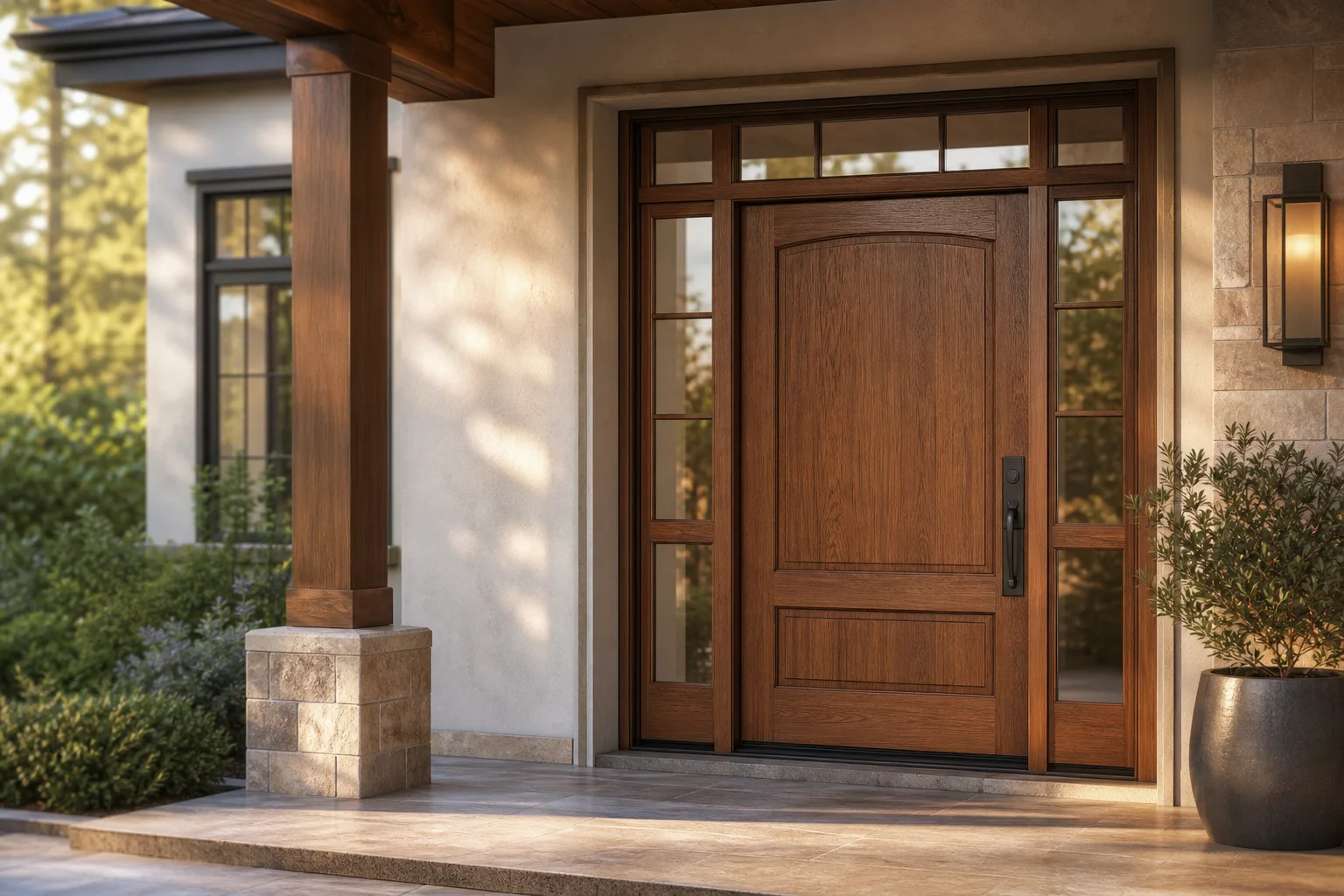
Secondary details must support the main design theme. On double door configurations, panel lines, grain alignment, and hardware height must align precisely across the center meeting stiles. Around glass inserts, generous timber margins provide essential structural support for heavy double- or triple-pane insulated glass units. Finish samples should always be tested on site under varied natural daylight conditions alongside exterior brick, stone cladding, and window trims rather than evaluated in isolation. Explore our comprehensive main door collection to see how various wood species and hand-rubbed finishes perform across different architectural styles.
Bespoke Hardware and Security Features in Custom Front Doors
True luxury extends beyond surface appearance to tactile operation and invisible security engineering. Heavy-duty 3D adjustable concealed hinges, multi-point lock systems, and custom pull bars transform daily interaction into a smooth, effortless experience. High-performance weather seals and thermal breaks safeguard against energy loss while maintaining acoustic separation from outside noise.
Glass motifs, whether frosted, fluted, low-iron clear, or textured glass, introduce light while preserving indoor privacy. Every cut-out and glazing bead in modern custom front doors is engineered to withstand wind loads, moisture cycles, and temperature swings. Review our custom door design options guide for details on coordinating metals, glass profiles, and architectural finishes across your entryway project.
Use Our Door Collections for Architectural Inspiration
Designing a bespoke entry is a collaborative journey that begins with clear references. We invite homeowners, architects, and interior designers to explore our specialized exterior door collection, solid oak entry series, and modern fluted panel door designs. Comparing finished projects helps establish preferred proportions, panel arrangements, and material contrasts.
Luxury is experienced in the quiet transitions: how the grain flows into a recessed panel, how glass stops are integrated without visible fasteners, whether the threshold sits flush with interior flooring, and how locks and handles fit seamlessly into the overall composition. Requesting detailed shop drawings prior to fabrication ensures every alignment, tolerance, and hardware preparation is approved before crafting begins.
Requesting Your Custom Specifications and Project Brief
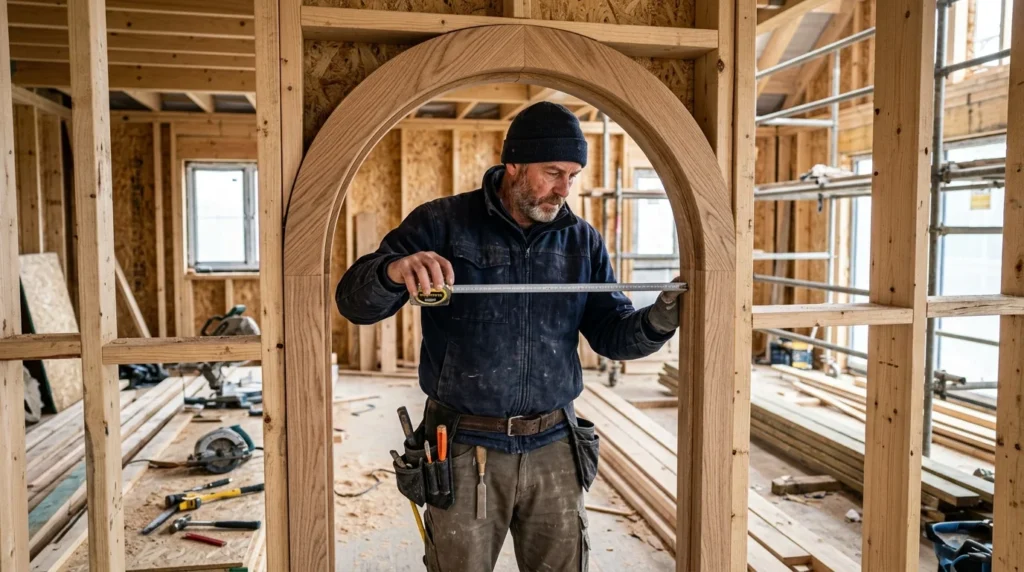
A successful custom entryway project relies on clear communication between the owner, builder, and craftsman. Keep your project proposal transparent regarding site dimensions, local building code requirements, swing orientation, structural framing, and installation logistics. Providing exact rough opening measurements, climate exposure details, and architectural references accelerates the custom manufacturing timeline.
Whether you are building a modern minimalist estate or restoring a historic residence, our team is ready to bring your vision to life. Take the next step in creating your bespoke entry by submitting your requirements to request a custom door quote today.