There is no item in your cart

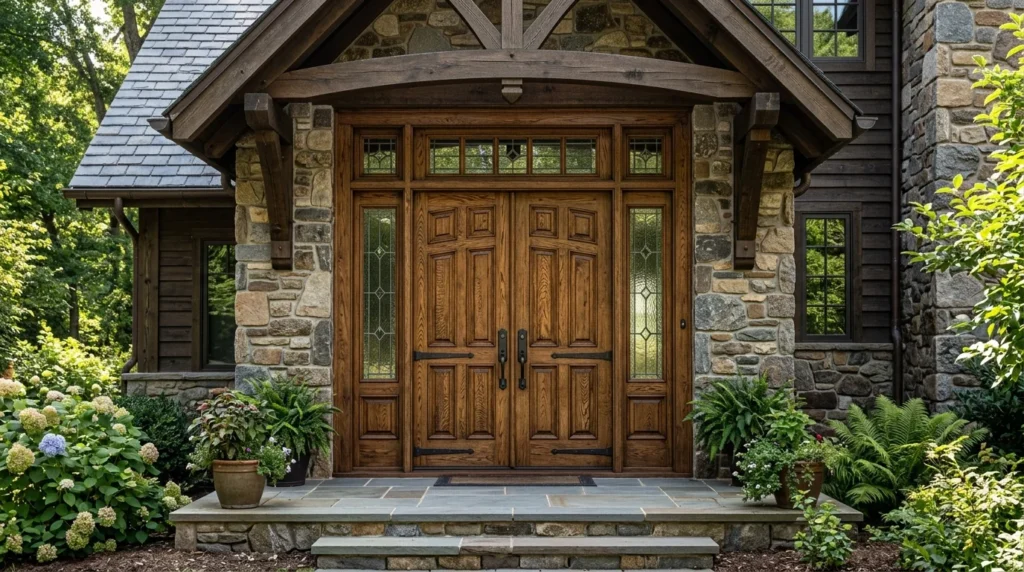
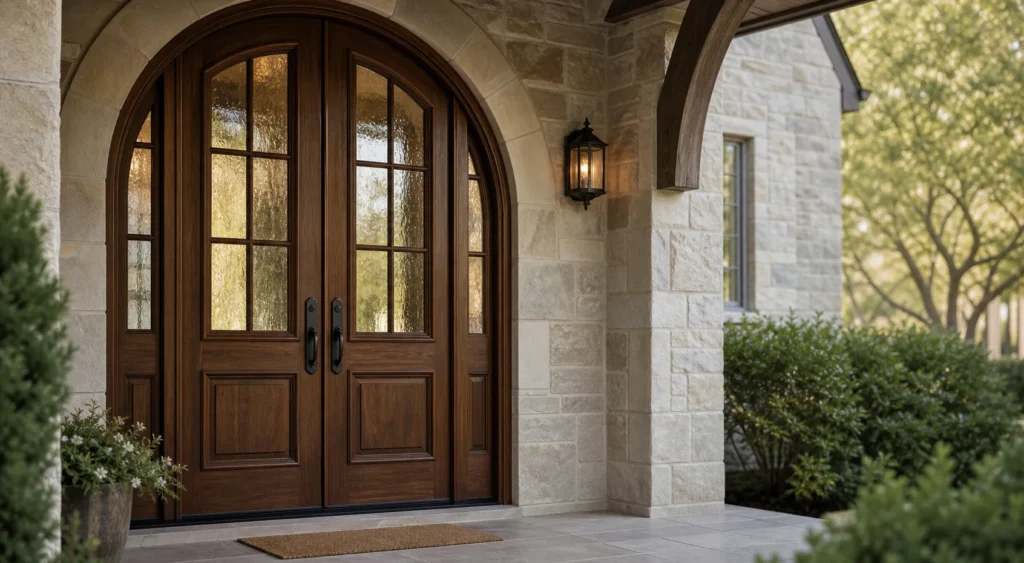
Solid wood doors give an entrance natural grain, depth, and the ability to carry panel or carved detail. They also require a clear construction specification, an appropriate finish, suitable installation, and ongoing care. “Wood door” is not a complete specification, so ask what the term means for the exact model.
What should “solid wood” describe?
The phrase can be used loosely in the market. Ask which parts are solid wood, which species is proposed, how the door is constructed, and whether glass, frame, threshold, or other components use different materials. For an oak-specific design, request confirmation that the quoted product matches the material description.
Do not assume that every wood-look surface is solid wood or that every component of a solid wood door is made from one unbroken board. Construction decisions are made to achieve the required design and stability. To review timber grading standards, consult the hardwood joinery specifications covering timber density and moisture content.
Benefits of a solid wood door
- Natural variation: grain and colour make each piece visually distinct.
- Design depth: panels, moulded edges, and carving can create real shadow and texture.
- Refinishing potential: some finishes can be maintained or renewed, subject to their system and condition.
- Visual weight: wood can give an entrance a substantial, crafted character.
Trade-offs to plan for
Wood responds to moisture and environmental change. Seasonal movement is normal, but poor detailing, unsuitable exposure, delayed maintenance, or an inappropriate finish can create problems. A heavy door also needs suitable frame, hinges, hardware, and installation. Solid wood doors installed on exterior facades require proper overhang protection.
These points do not make wood unsuitable. They mean the complete system matters. Ask how the construction, finish, protection, and maintenance expectations relate to the intended location.
Exterior exposure matters
A sheltered entry and a door exposed to strong sun and rain are not the same condition. Record orientation, overhang, nearby walls, and exposure. Share photographs of the entrance before finalising the finish. Project-specific weather, bushfire, energy, or compliance requirements should be reviewed by the appropriate professionals.
Finish is a protective system
Colour is only one part of finish selection. Ask what coating system is proposed, which faces and edges are treated, how it should be cleaned, and when inspection or recoating may be needed. Follow the supplied care instructions rather than a generic internet schedule.
Samples help compare colour and grain, but natural variation means they are indicative. Screen images also change colour, so they should not be the only approval reference.
Care checklist
- Inspect all faces, edges, and exposed areas periodically.
- Keep the door clean using the method recommended for the finish.
- Address coating damage or water entry promptly.
- Check operation and hardware rather than forcing a door that binds.
- Keep records of the finish product and maintenance work.
Questions before ordering
- What is the confirmed species and construction?
- What are the finished slab and complete unit dimensions?
- Which frame, threshold, glass, and hardware components are included?
- What finish is supplied and what maintenance does it require?
- Is the proposed specification suitable for the recorded exposure?
Use our solid oak doors collection and browse our complete wooden doors catalog as a design starting point, then request the verified specification for the exact model. Submit your project requirements through our custom door quote brief to collaborate with our joinery specialists.
Frequently asked questions
Do solid wood doors mean maintenance-free?
No. The maintenance depends on exposure, finish, installation, and use.
Will the delivered wood look exactly like the website image?
Natural grain and colour vary. Ask how samples and appearance are approved before ordering solid wood doors.
Is a thicker or heavier door automatically better?
No. Suitability depends on construction, frame, hardware, installation, and the project requirements.