There is no item in your cart

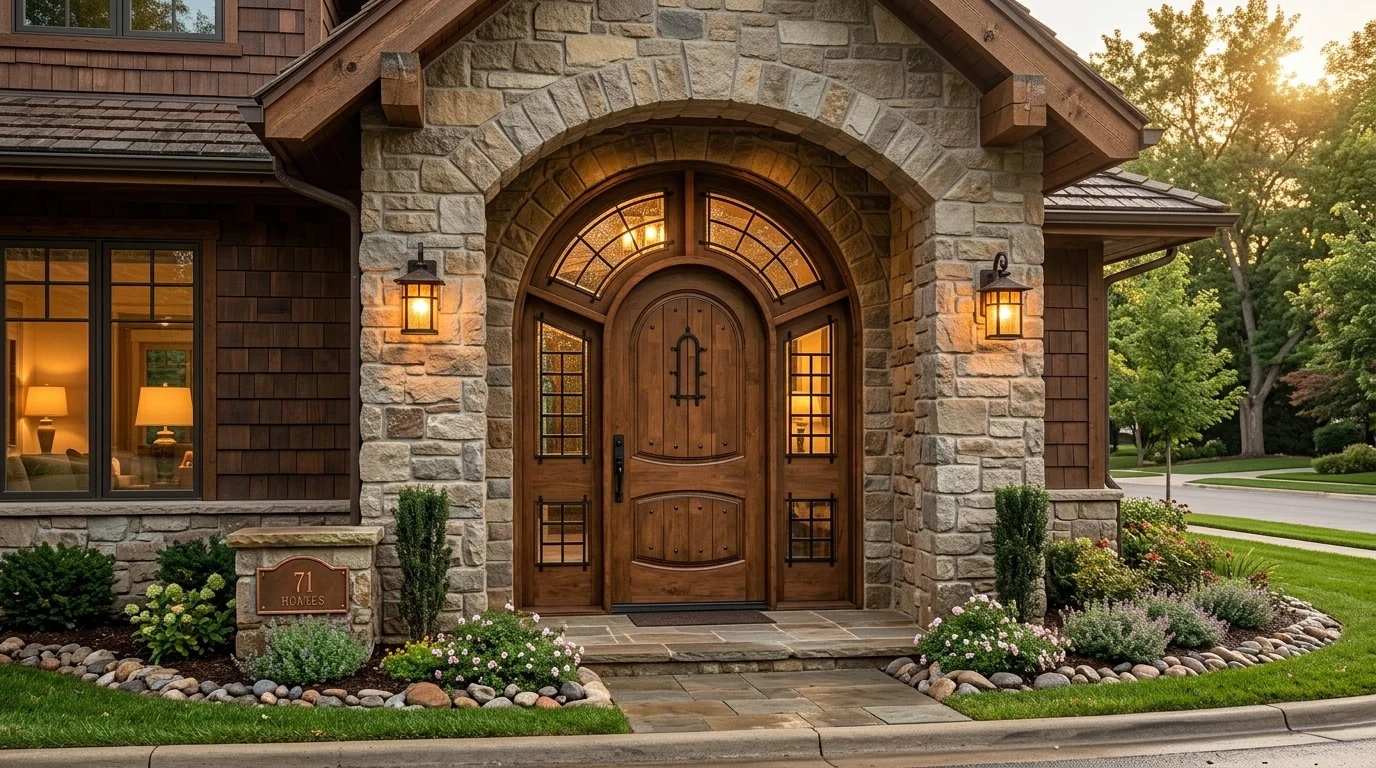
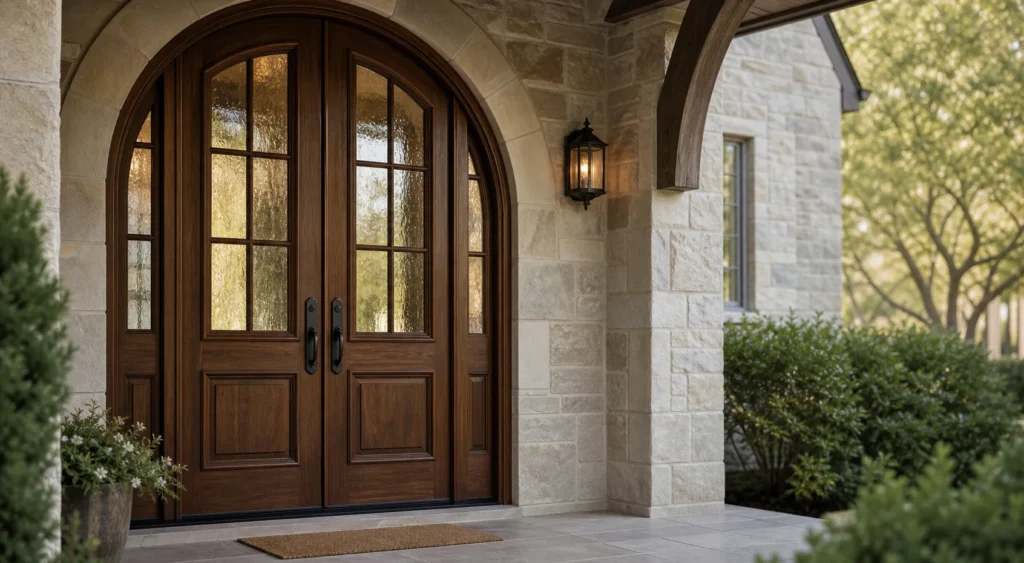
Antique and traditional arched doors often carry their character through proportion rather than ornament alone. Deep solid timber panels, gracefully curved top rails, decorative leaded glass, hand-forged ironwork, or intricate relief carving can all contribute to a grand entrance. However, these features work best when the entrance maintains a clear design hierarchy. The aim is a door that feels established, timeless, and architectural—not a random collection of unrelated historical details.
Choose the Period Cues That Matter for Traditional Arched Doors
Collect references and identify the features worth retaining when designing traditional arched doors: a tall sweeping arch, a particular panel count, a fan or oval glass shape, a carved perimeter border, a darker timber tone, or a wrought hardware direction. Decide whether the new door should reproduce a period language closely or interpret it for a contemporary home opening built with traditional timber framing techniques.
Historical architectural references often combine several eras, so identify the distinct character you want the new entrance to carry rather than asking for an exact copy of an unknown original drawing. Panel rhythm, arch radius shape, glass placement, carving motifs, and hardware can all be adjusted to suit the building while retaining the intended mood, elegance, and charm.
Keep Old-World Detail Buildable and Structurally Sound
Confirm the complete opening dimensions, frame depth, and operating arrangement before developing intricate carving or glass patterns for your traditional arched doors. Leave clear zones for heavy-duty architectural locks and hinges, and consider how the design reads both when the door is closed and from a curb-side viewing distance. Natural timber variation and handmade detail should always be recorded as part of the formal approval conversation.
The arched front door pillar guide and carved wood door guide explain how geometry and craft decisions can be sequenced. Finish, glass, and installation requirements remain specific to the project location and regional climate conditions.
Find a Traditional Starting Point Using Our Collection
Browse the arched door collection and study authentic references such as the Victorian Lacework front door. Then send the opening measurements, preferred period cues, and any glass or carving references through the custom door brief to collaborate directly with our master craftsmen.
Preparing a short reference board with notes is far more useful for custom joinery projects than handing over a folder of unlabelled online images. Clear notes help our architectural design team match rail widths, panel depths, and arch curves to your exact masonry opening without guessing essential proportions.
Selecting Timber Species for Traditional Arched Doors
The choice of wood species plays a critical role in both the historical authenticity and environmental durability of your entrance. Premium hardwoods such as Solid Mahogany, White Oak, Teak, and Walnut provide dense grain structures that hold deep hand-carved details and resist warping across changing seasons.
When engineering traditional arched doors for exposed exterior locations, laminated timber cores paired with thick solid hardwood facings offer superior structural stability. This advanced joinery method prevents moisture movement while allowing hand-carved moldings, raised panels, and decorative arched glass surrounds to age gracefully over time.
Balancing Authentic Aesthetics and Project Accountability
Natural timber variation and handmade marks should always be treated as part of the agreed character of custom traditional arched doors. At the same time, confirm the smooth door operation, frame weather seals, glass insulation, protective exterior finish, and long-term maintenance requirements in plain language.
Traditional appearance and modern project accountability can easily coexist when the scope of work is written clearly from the start. By combining authentic period proportions with modern joinery engineering, your custom entrance will deliver tight draft sealing, structural stability, and enduring architectural beauty for generations to come.