There is no item in your cart


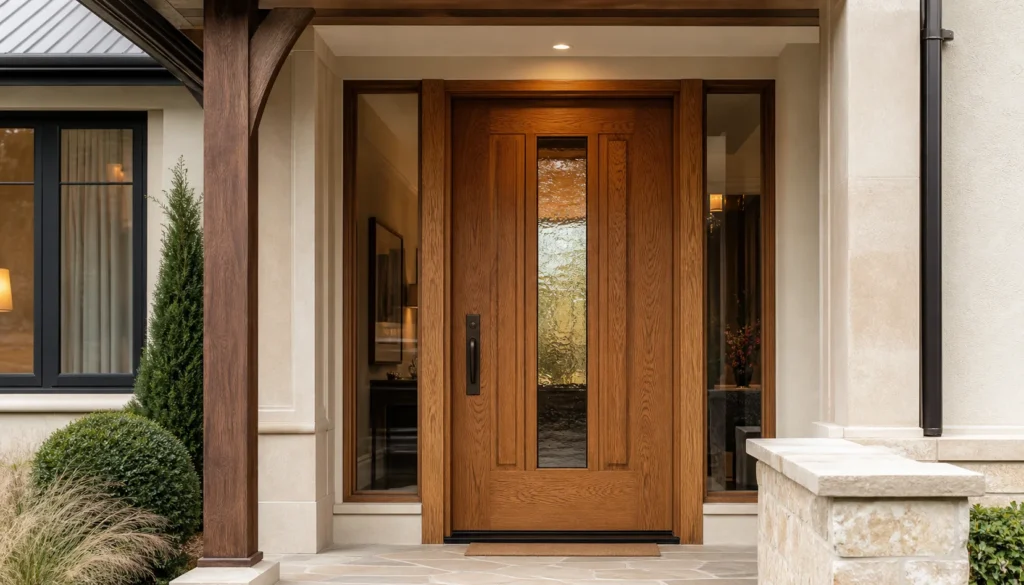
Installing high-quality oval glass front doors creates an immediate, elegant focal point for any residential entryway while preserving a sturdy timber surround. The timeless aesthetic of oval glass front doors relies heavily on maintaining a balanced architectural relationship between the glass insert, the surrounding solid wood panels, the door frame, and the overall height of the entrance opening. When designed thoughtfully, the glass panel feels naturally integrated within the solid wood structure rather than merely inserted into the timber.
Why Choose Oval Glass Front Doors for Your Home
Choosing oval glass front doors offers a unique blend of classical elegance and modern functional performance. Unlike standard rectangular glass inserts, an oval glass cut introduces soft curvature into an otherwise rigid rectangular doorway, softening exterior elevations and drawing visual focus directly toward the main entrance. According to history on architectural doors, curved and decorative glazing has long been utilized in traditional joinery to enhance natural light indoors while reflecting craftsmanship outside.
Furthermore, oval glass front doors allow natural sunlight to illuminate dark interior foyers and entrance hallways without compromising structural integrity. Because solid timber frames envelope the glass perimeter, homeowners enjoy both elevated curb appeal and robust weatherproof protection against harsh outdoor elements. Custom beveling, leaded detailing, and double-glazed insulation further enhance both energy efficiency and aesthetic distinction for prestige residences.
Designing Oval Glass Front Doors: Proportion and Surround
When selecting oval glass front doors, proportion is the single most critical design factor. You must evaluate the height and width of the door leaf, paneling configurations, and sightlines leading from the front path or driveway. A tall, elongated oval panel can emphasize vertical proportions in high-ceiling entryways. Conversely, a wider oval proportion alters the volume of solid timber remaining along the stiles and rails.
For double entryway configurations, determine whether each individual door leaf features its own centered oval insert or whether a single larger oval motif spans across both doors. Exploring our comprehensive wooden doors catalog allows homeowners and architects to compare distinct panel styles and proportions.
Privacy and Security Options for Oval Glass Front Doors
Balancing natural illumination with household privacy requires careful selection of glass treatments for oval glass front doors. Depending on your home’s proximity to public paths or nearby properties, you can choose from clear bevelled, frosted, textured, rain glass, or stained decorative inserts. Evaluate the view from standing eye height both inside and outside the home under daylight and evening lighting conditions.
Read our detailed wood front door with glass guide and door glass privacy guide before finalizing your glass specification. Modern safety glass techniques, including tempered and laminated double-glazed units, ensure that your decorative glass panel provides maximum impact resistance, thermal insulation, and security.
Selecting Hardware and Frames for Oval Glass Front Doors
Integrating locks, handles, escutcheons, and hinges requires dedicated planning on oval glass front doors. Hardware components must remain securely anchored within solid timber framing zones rather than intruding into the glass margin or trim molding. Premium hardwoods such as teak, oak, and mahogany provide superior strength and dimensional stability for framing oval glass front doors.
Nighttime lighting considerations are equally important. Interior ambient lighting can transform clear glass inserts into direct view corridors after dark. Adding an exterior porch light or deep architectural overhang alters how the glass presentation appears from the entryway path while maintaining visual warmth and home security.
Compare Models and Get a Custom Quote for Oval Glass Front Doors
To visualize how handcrafted timber surrounds complement oval glass front doors, browse our curated exterior door collection and view featured designs such as the Prague Panorama double front door with oval glass. Each entry system is crafted with precision joinery tailored to your exact architectural requirements.
Ready to start your custom entrance project? Submit your doorway measurements and design preferences through our custom door quote form. Our expert team will assist you in selecting the ideal timber species, oval glass proportion, and finish options for your home.